
Ball Valve vs. Gate Valve: Key Differences and Uses
Ball valves and gate valves are two common types of valves used to control the flow of liquids and gases in various systems. While they may seem similar, they have distinct features, advantages, and applications.
Design and Operation
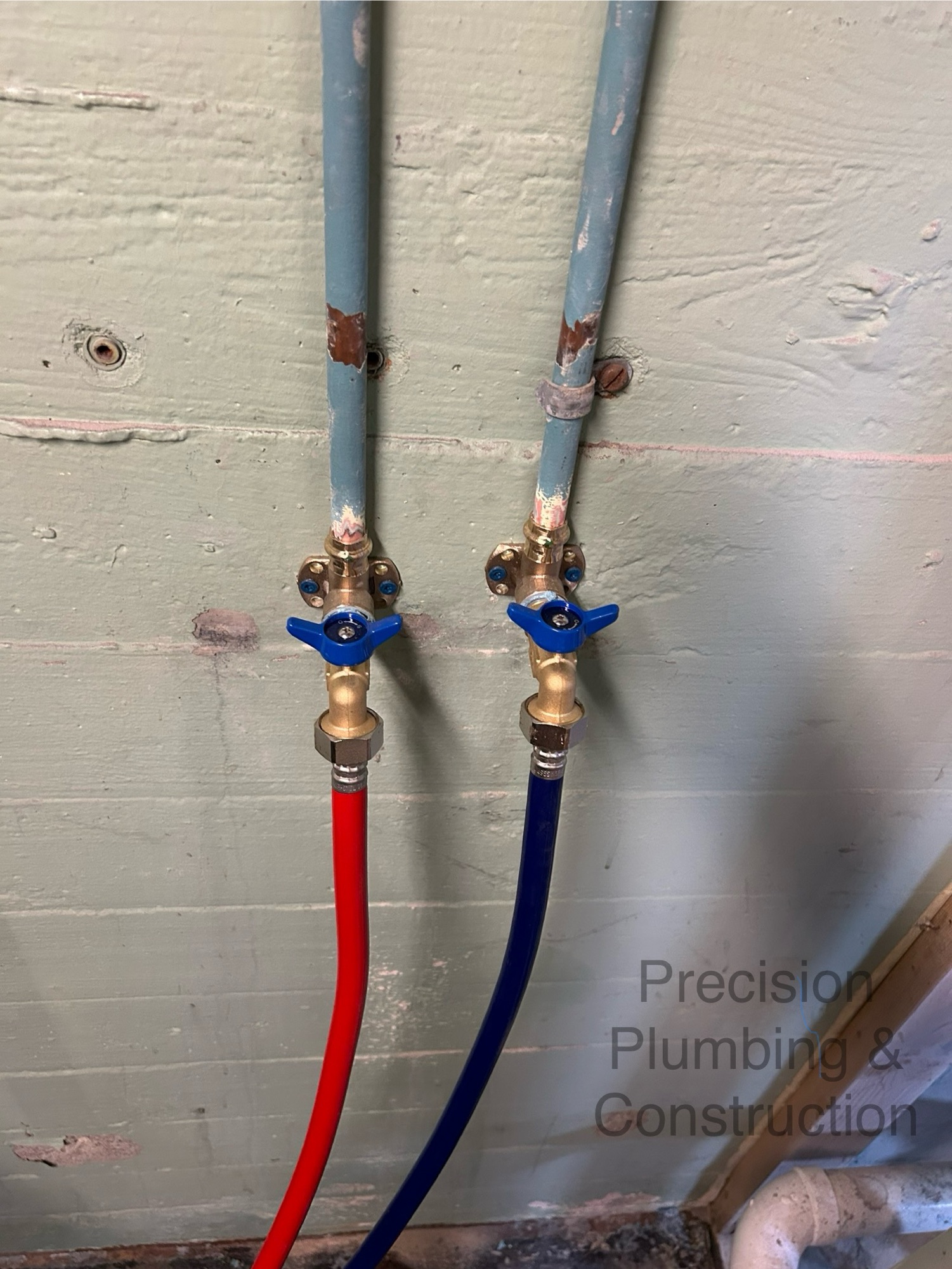
Ball Valve:
• Uses a rotating spherical ball with a hole (bore) through its center.
• When the ball’s hole aligns with the flow, the valve is open; when rotated 90°, it shuts off.
• Operated with a quarter-turn handle, making it quick and easy to use.
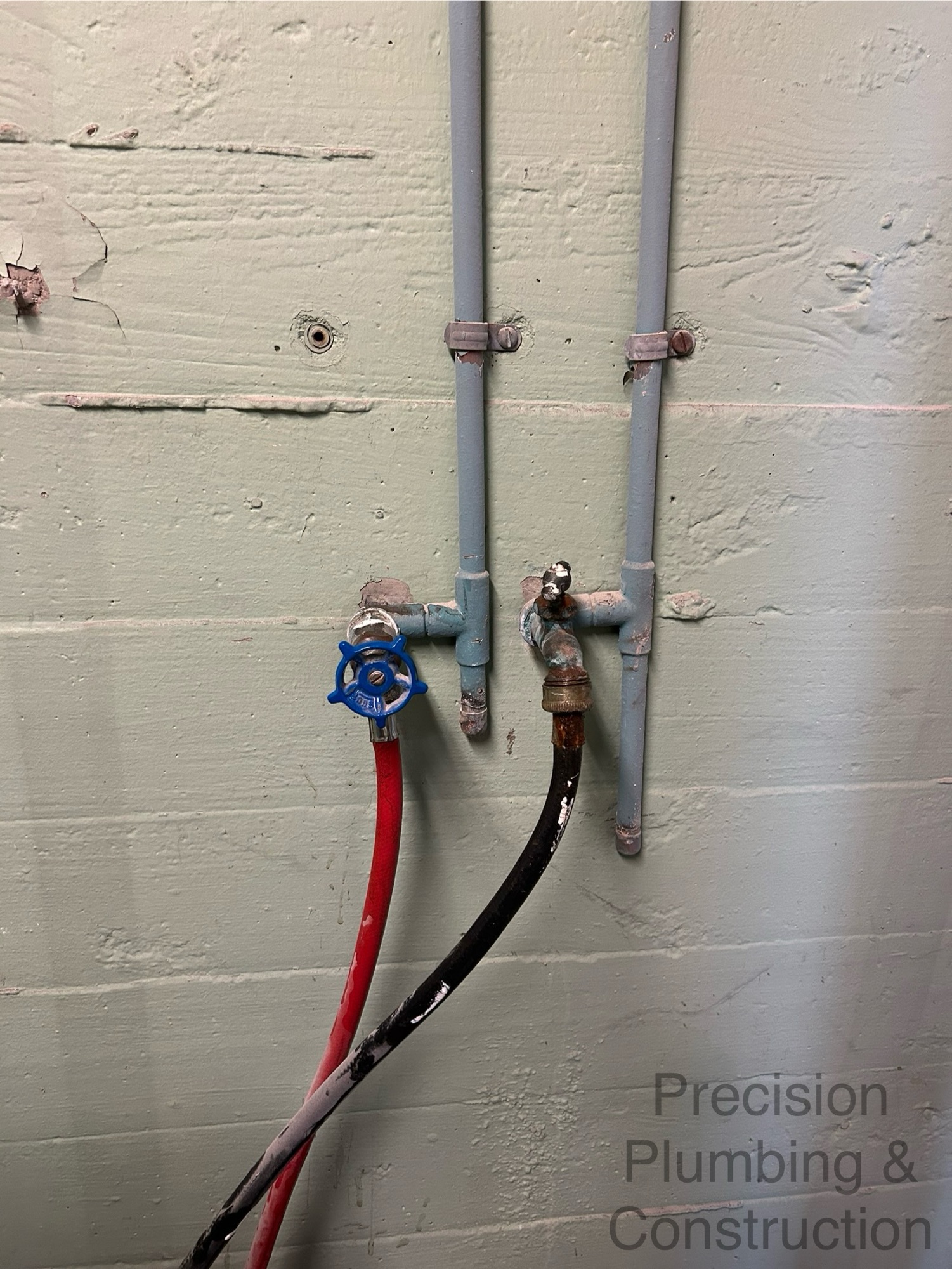
Gate Valve:
• Features a flat or wedge-shaped gate that moves up and down to control flow.
• Requires multiple turns of the handle to fully open or close.
• Designed for slower operation compared to ball valves.
Applications
Ball Valve:
• Ideal for applications requiring quick shutoff, such as emergency systems.
• Suitable for high-pressure and high-temperature systems.
• Commonly used in chemical, pharmaceutical, and water distribution systems.
Gate Valve:
• Better for applications requiring gradual flow control or full open/close operations.
• Typically used in pipelines with large diameters.
• Found in water treatment plants, oil and gas pipelines, and industrial facilities.
Durability and Maintenance
Ball Valve:
• More durable and less prone to wear due to its simple design.
• Provides a tight seal even after prolonged use.
• Easier to maintain because of fewer moving parts.
Gate Valve:
• Susceptible to wear and damage from debris in the pipeline.
• May develop leaks over time due to a less effective seal.
• Requires more maintenance, especially in high-use systems.
Flow Control
Ball Valve:
• Not ideal for throttling; designed primarily for on/off control.
• Can cause turbulence when partially open.
Gate Valve:
• Excellent for controlling flow, as it allows gradual opening and closing.
• Provides minimal resistance when fully open.
Cost
Ball Valve: Typically more expensive due to its robust design and versatile functionality.
Gate Valve: More affordable, especially for larger sizes and lower-pressure applications.
Summary
• Choose ball valves for quick operation, tight sealing, and high durability.
• Opt for gate valves when precise flow control and cost-effectiveness are priorities.
Both valves have their unique strengths and are indispensable in different industrial and residential applications.
 Precision Plumbing & Construction
Leave a comment