
Signs of a Broken Sewer Line
Foul Odors: Persistent sewage smells in your yard or home.
Slow Drains: Multiple drains in the house backing up or draining slowly.
Wet Spots or Sinkholes: Unexplained soggy areas or depressions in your yard.
Increased Pest Activity: Rats or insects attracted by sewage leaks.
Unusually Lush Vegetation: Patches of grass that grow faster or are greener due to nutrient-rich wastewater.
Steps in Sewer Line Repair
Inspection: A plumber uses cameras to locate the damage and assess the severity.
Diagnosis: Determine if the issue is caused by corrosion, root intrusion, pipe collapse, or clogs.
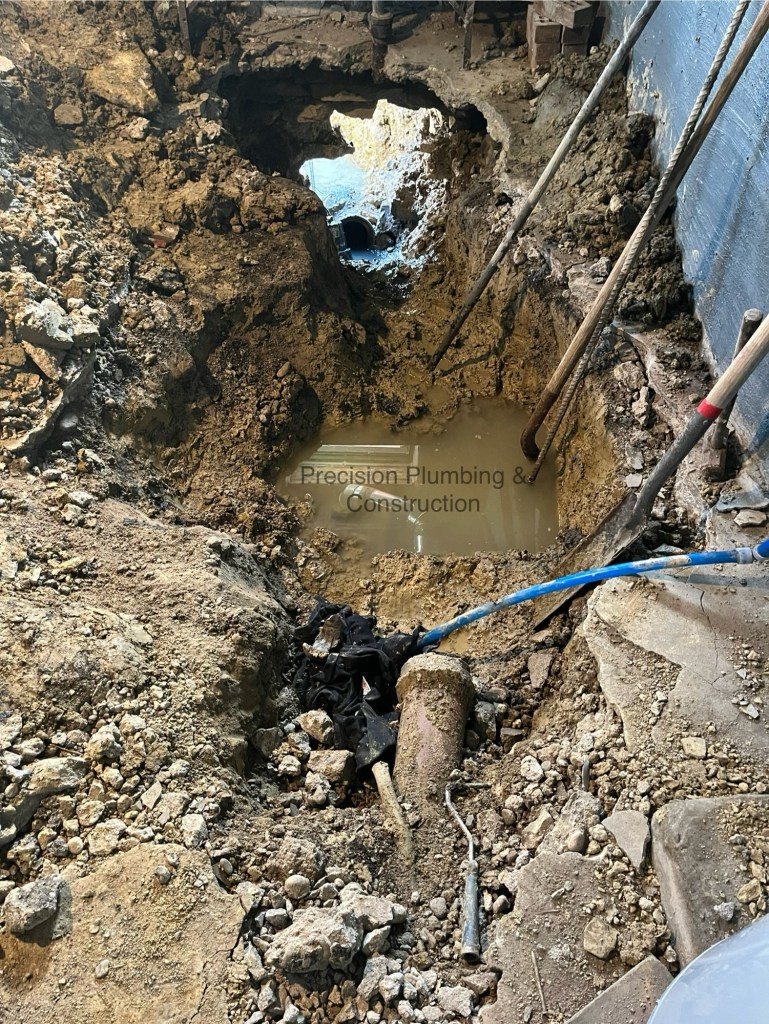
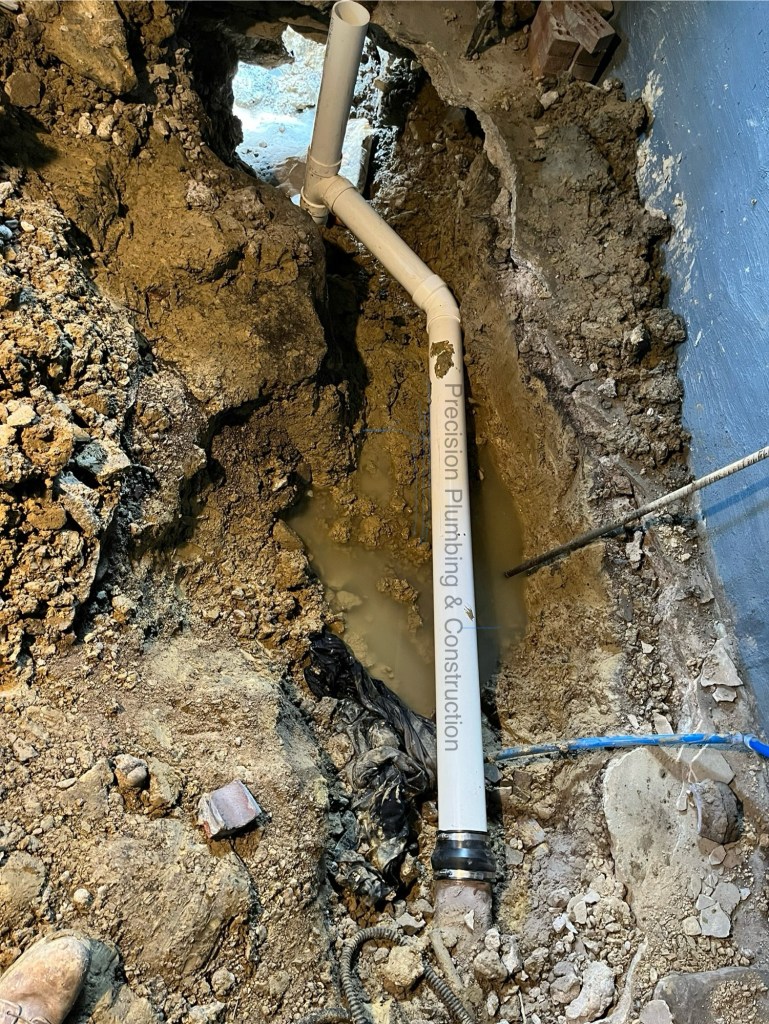
Repair: Excavate and repair the damaged pipe where necessary.
Cost Factors
Extent of Damage: The amount of pipe that needs replaced can affect the price.
Location: Pipes under driveways or buildings can increase excavation costs.
Materials: Replacing old clay or cast iron pipes with PVC or other durable materials may affect costs.
Preventive Tips
• Avoid flushing non-biodegradable items.
• Regularly inspect for tree roots near sewer lines.
• Schedule routine maintenance with professionals.
Addressing a broken sewer line quickly minimizes disruption, protects your property, and ensures a safe and sanitary environment.
 Precision Plumbing & Construction
Leave a comment